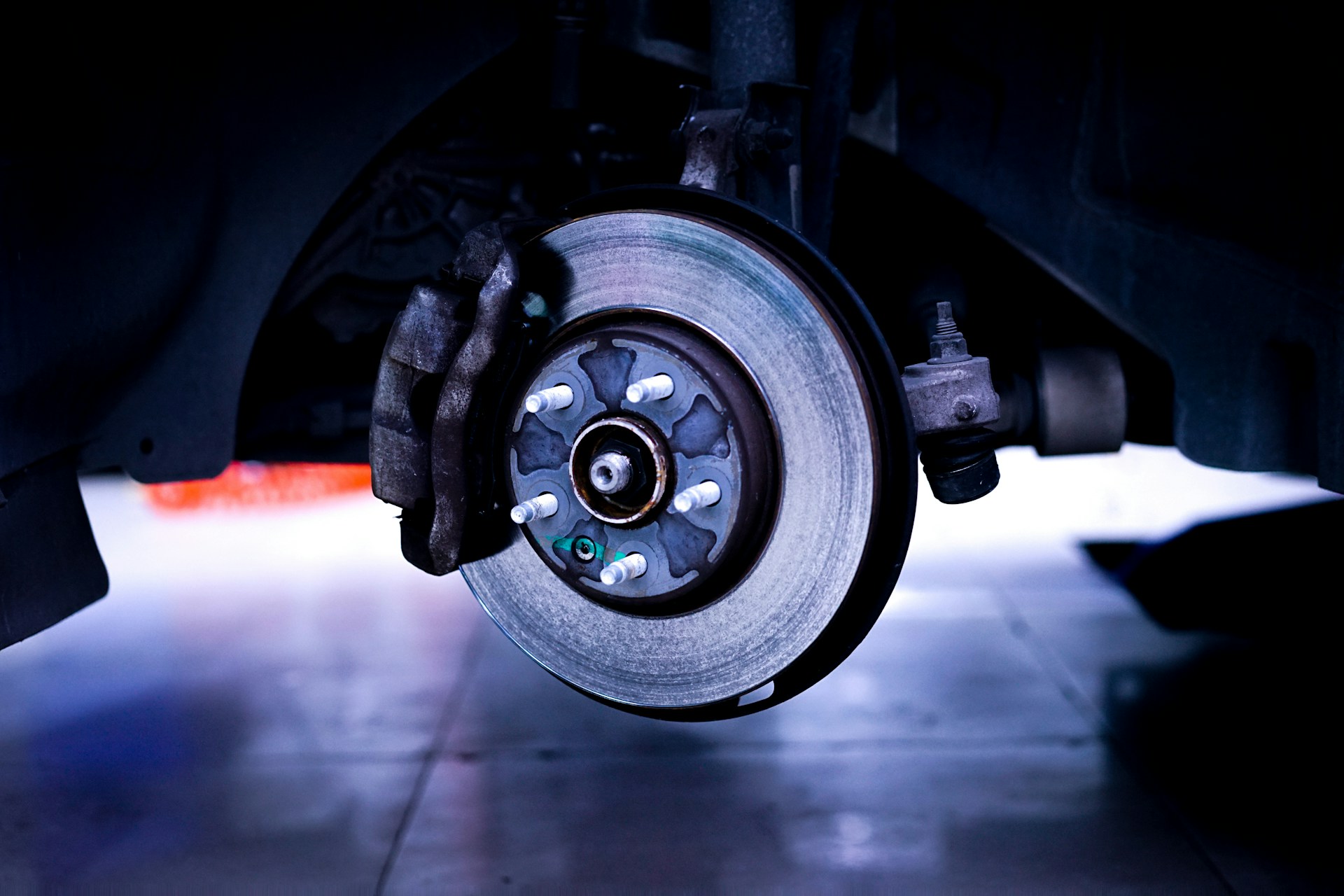
Brake pads are your vehicle’s last line of safety defense – excessive wear can lead to brake failure. Learning to recognize these warning signs helps mitigate risks:
1. Brake noise: A “squealing” metal-on-metal sound when lightly braking often indicates pads are worn to their limit. Built-in wear indicators make contact with rotors at this stage, typically when thickness drops below 2mm – immediate replacement is critical.
2. Longer stopping distances: If your vehicle decelerates slower or requires more distance to stop with the same pedal pressure (over 1 meter more than usual), pads may be hardened (from heat damage) or unevenly worn. Check the friction surface promptly.
3. Vibrating or soft brake pedal: Noticeable pedal vibration during braking may signal uneven pad wear causing “binding.” A soft pedal with increased travel could mean excessive wear combined with brake fluid leaks – inspect the entire braking system.
4. Dashboard warning light: Many vehicles have brake pad wear sensors that trigger a warning light (usually an exclamation mark in a circle) when pads reach critical wear levels. Visit a shop immediately if this illuminates.
5. Abnormal wheel dust: Normal pad dust appears uniformly colored (minimal for ceramics, darker for semi-metallics). Uneven dust accumulation (more/less on one wheel) suggests uneven wear (often from caliper issues), which accelerates wear and affects braking balance.
If you notice these signs, inspect pads within 48 hours. When replacing, choose products matching your vehicle’s OE specifications to avoid safety risks from incompatible size or friction coefficients.